


Downsizing feels overwhelming only because the finish line is far away. The smartest move is to start before the packing begins with two deliberate steps: define the life you want in your smaller home, then audit what you own room by room.
Nailing down your “why” comes first because it sets the space and budget parameters that every later decision hangs on. Whether you’re moving for retirement, an empty nest, or less maintenance, clarifying your goals for the new space tells you what actually deserves to come along.
Step two is a room-by-room inventory that separates essentials from excess. Walk through each room and sort what you own into what you’ll keep, sell, donate, or discard, noting what’s outdated or duplicated. Starting with the rooms you use least, like the attic, garage, or guest room, builds momentum and spares the emotional decisions for later. Once your vision and your inventory are clear, the rest of the downsizing journey becomes a sequence of simple yes-or-no choices instead of a mountain of indecision.
Key Takeaways
- Define your vision first: Determine the life you want in your smaller home before touching a single box. Your “why” sets the space and budget parameters for every decision that follows.
- Run a room-by-room inventory: Sort each item into keep, sell, donate, or discard, and note what is outdated or duplicated.
- Start low-stress: Begin with the rooms you use least (attic, garage, guest room) to build momentum before confronting emotional keepsakes.
- Measure before moving: Take measurements of your new space and largest furniture before committing to moving anything.
Step 1: Define the Life You Want in Your New Home
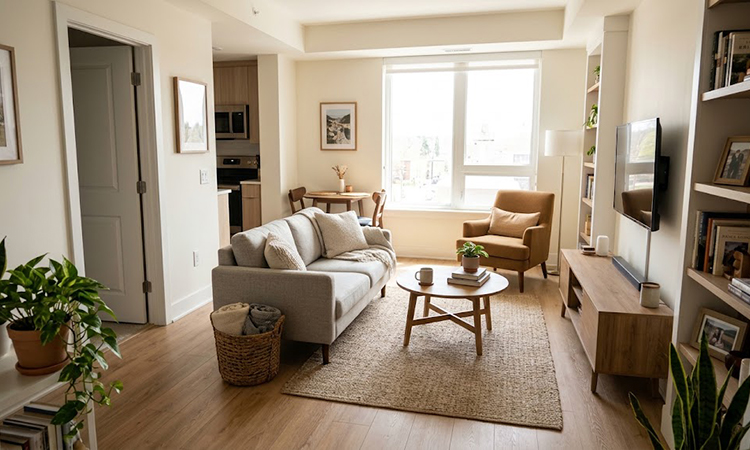
Before you sort a single drawer, decide what the smaller home is actually for. Your goals, not the floor plan, are the real starting point because they set the parameters that every later choice hangs on.
Ask yourself what’s driving the move:
- Are you retiring and looking to stop mowing a lawn?
- Are your kids off at college, leaving you with rooms you only dust?
- Do you want to move closer to grandchildren or cut your monthly housing costs?
The answers change what you keep. If your goal is less cleaning and maintenance, prioritize letting go of trinkets and collectibles that need frequent dusting. If you’re moving closer to family, opt for durable, minimal decor that makes it easier to spend time together.
From there, set concrete space and budget targets. Decide on your non-negotiables: minimum bedroom count, storage needs, accessibility, and proximity to family or services. Then define a square-foot target or a rough reduction goal to guide your choices. Keeping your motivation in mind makes letting go easier, while remembering the benefits, like paying off debt, taking more vacations, and skipping weekend yard work, keeps you excited about small-space living.
Step 2: Run a Room-by-Room Inventory
Once your vision is clear, run a systematic audit of everything you own. A detailed inventory helps you identify what is outdated, duplicated, or no longer needed. Plus, it doubles as a packing list and a tool for estimating your moving costs.
Tips for running your inventory:
- Work one room at a time: Don’t try to clear the whole house in a day.
- Start with low-emotion spaces: Begin in the basement, attic, garage, or guest room. Pack and deep clean as much as you can before moving on.
- Sort into four piles: Keep, Donate, Throw Out, and Undecided. Return to the undecided pile after the rest of the room is sorted.
- Use practical guidelines: Try rules like the 20/20 rule (get rid of anything that takes less than 20 minutes and $20 to replace) or purge items you use less than 80% of the time.
Keep your new home’s dimensions in mind as you sort. Measure your largest furniture against the new floor plan so you can rule out items that won’t fit before you pay to move them.
What to Do with Emotional Belongings
Sentimental items are often the hardest part of downsizing. Tackle them deliberately rather than in a rushed evening:
- Create dedicated piles: Group items into what you definitely want to keep, what you’re on the fence about, and what family or close friends might want.
- Start light: Begin with sentimental items carrying the least emotional weight—such as duplicates or items tied to recent memories—to build confidence before handling heavier keepsakes.
- Digitize paper memories: Scan documents, photos, and children’s artwork to a secure cloud service or hard drive. This lets you discard bulky file cabinets while preserving memories.
- Use a temporary storage unit: If you’re feeling stuck, store “maybe” items in a small storage unit for 6 to 12 months. Commit to clearing out anything you haven’t needed or used by the end of that window.
Measure Twice, Move Once

Before paying to transport bulky items, confirm exactly what fits in your new floor plan:
- Evaluate condition & quality: Worn-out sofas and heavy particle-board furniture are prime candidates to sell or donate. It is often more cost-effective to replace bulkier pieces after moving, saving space for valuable or sentimental antiques.
- Plan layout and flow: Ensure your furniture allows for comfortable walkways and fits well within door frames and ceiling heights.
Learn more about the Real Estate Market with Christine and find Market Reports in Bergen County.